Keep oil out of the drains
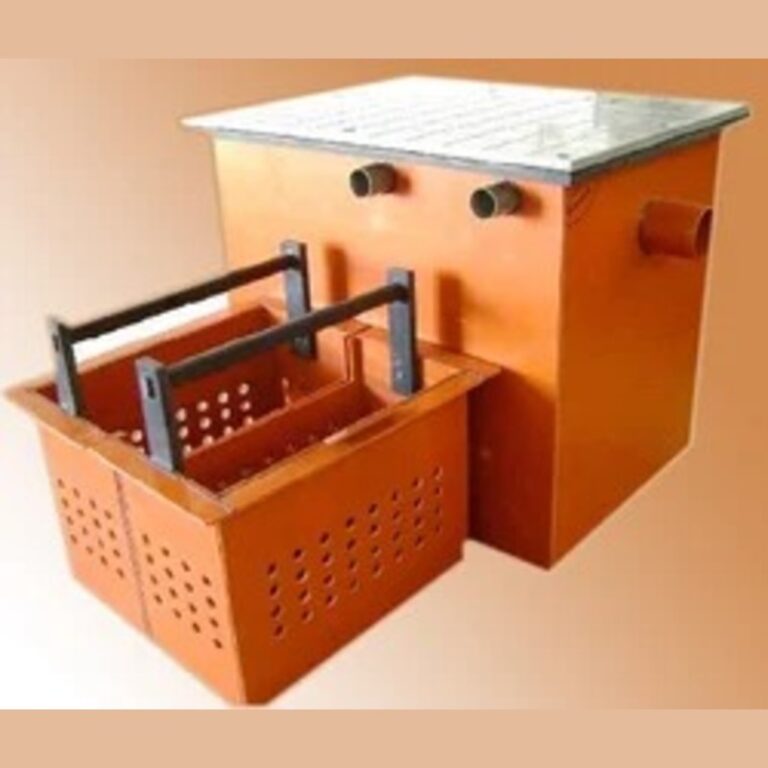
A PVC oil interceptor separates oil and fuel from surface water before it reaches the drainage line. Alphatek fabricates 50 and 55 GPM models in the UAE from 7.7 mm BS EN 1401 PVC sheet, with a sediment bucket and a separate oil drain bucket for easy maintenance.
Specifications
| Item | Specification |
|---|
| Overall size | 825 × 525 mm, 445 mm high |
| Body | 7.7 mm thick BS EN 1401 PVC sheet |
| Inlet / outlet | 4″ (100 mm) diameter |
| Vent | 3″ (75 mm) diameter vent pipe |
| Cover | 15 mm PVC, rubber gasket, SS bolts & washers |
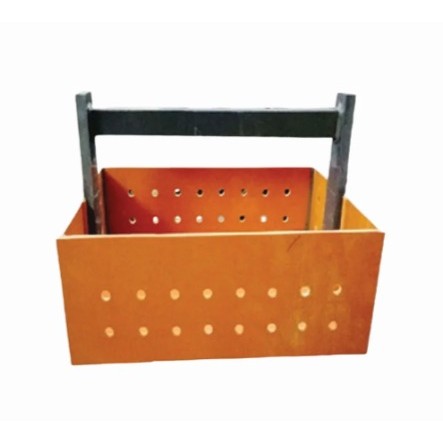
| Sediment bucket | PVC, with lifting handle |
| Oil drain | 50 mm trap to separate PVC bucket (300 Ø × 500 mm) |
| Models | 50 GPM and 55 GPM – other capacities on request |
How the interceptor works
- Water from the car park or wash bay enters through the inlet.
- Sand and silt settle in the sediment bucket.
- Oil and fuel are lighter than water and rise to the surface.
- The oil is drawn off through the 50 mm trap into the separate oil drain bucket.
- Cleaner water leaves through the outlet to the drainage line.
Choosing 50 or 55 GPM
The right capacity depends on the drained area and the expected flow, as set by the MEP consultant. Send us the drainage layout, and we will confirm the model, or a different capacity made to order.
Where to install it
Install it before the connection to the main drainage line, where it can be reached for cleaning. Leave enough space above the cover to lift out the buckets. Connect the 3″ vent as shown on the drawing.
Maintenance checklist
- Empty the oil drain bucket before it is full.
- Lift out and empty the sediment bucket.
- Check the cover gasket and bolts.
- Keep a record of each cleaning for the building's maintenance file.
What to send us for a quote
Quantities, the model or flow needed, the drainage layout, and the location (car park, workshop or wash bay).
Typical applications
Car parksWorkshops & garagesWash baysPetrol stationsService yards
Frequently asked questions
Where is an oil interceptor needed?
Wherever oil or fuel can reach surface water drains, such as car parks, workshops and wash bays.
How often should it be emptied?
Empty the sediment and oil buckets regularly; busy sites need more frequent checks.
Can you make a different capacity?
Yes, other capacities and sizes are fabricated to order.
Oil interceptor or grease trap?
An oil interceptor separates oil and fuel from surface water. A grease trap separates fats and oils from kitchen waste.
Do I need a sand trap as well?
On sites with a lot of sand and grit, a sand trap before the interceptor helps.
Can I get the technical drawing?
Yes, it is available for consultant approval.
Send us quantities, sizes and drawings or site photos and we will reply with options and a price. Request a quote.
Related: Grease Traps & Interceptors · Gully & Sand Traps · Basement Drainage · Oil interceptors for car parks and workshops · Trench Drainage · Heavy-Duty Gratings · Sediment Interceptors · Request a Quote